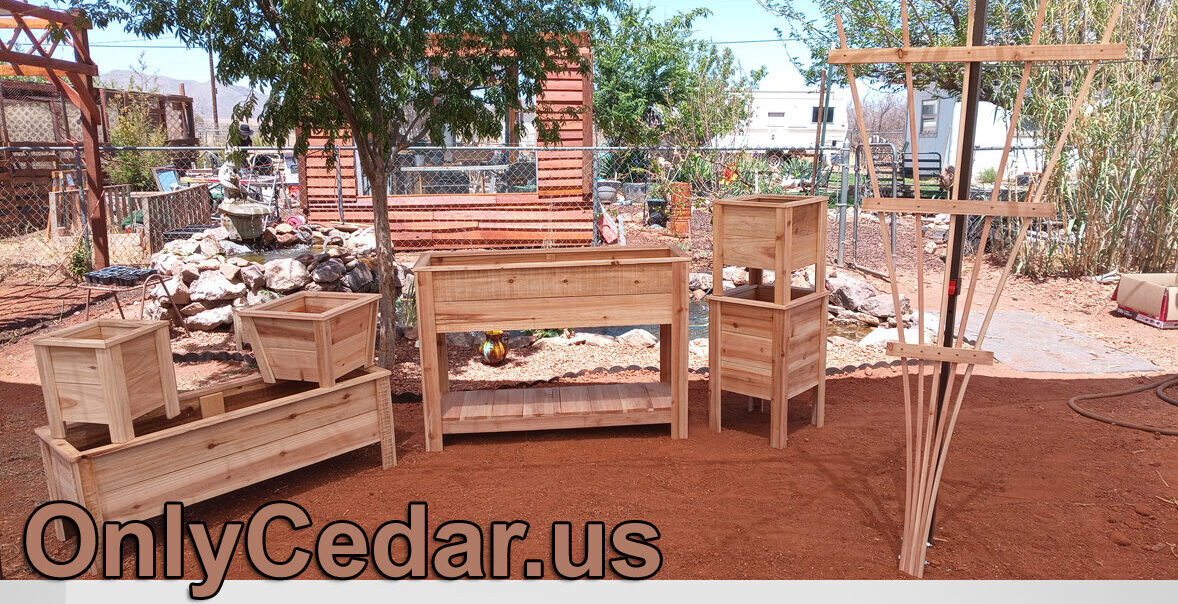
To maintain a cedar planter boxes, consider these options:
You can choose to leave them untreated, opt for a clear water-proofer, use a non-toxic stain, or apply a wood treatment like linseed or tung oil, and ensure proper drainage for winter protection.
Here’s a more detailed breakdown:
1. Natural Cedar Protection:
Cedar is naturally rot-resistant and insect-repellent due to the oils it contains, so you can choose to leave it untreated.
Waterproofing: For added protection against moisture, consider applying a clear, non-toxic water-proofer like Penetrating Water Proofer Infused With Juniper.
Staining: If you prefer a different color, opt for a non-toxic stain like PolyWhey Exterior Penetrating Wood Stain.
2. Wood Treatments:
Linseed Oil: A natural oil that can help preserve cedar and is ideal for organic edible garden beds.
Tung Oil: Another natural oil that can be used to treat cedar wood planters.
Spar Urethane: For non-edible planters, a water-based spar urethane varnish can provide protection from water and sunlight.
3. Drainage and Liner:
Drainage Holes: Ensure your planter has adequate drainage holes to prevent water buildup and rot.
Lining: Consider lining the planter with a plastic liner to create a barrier between the wood and the soil, especially if you plan to grow edibles.
Ventilation: If using a liner, ensure it has adequate drainage holes.
4. Winter Protection: If possible, store your cedar planter boxes in a garage, shed, or under a porch during the winter months. If storage isn’t an option, cover the planters with a water-repellent tarp, but ensure proper ventilation to prevent moisture buildup.